
Ontario HST Rebate Up to $130,000: Single-Family Home Sales Triple, But Condos Still Aren’t Moving
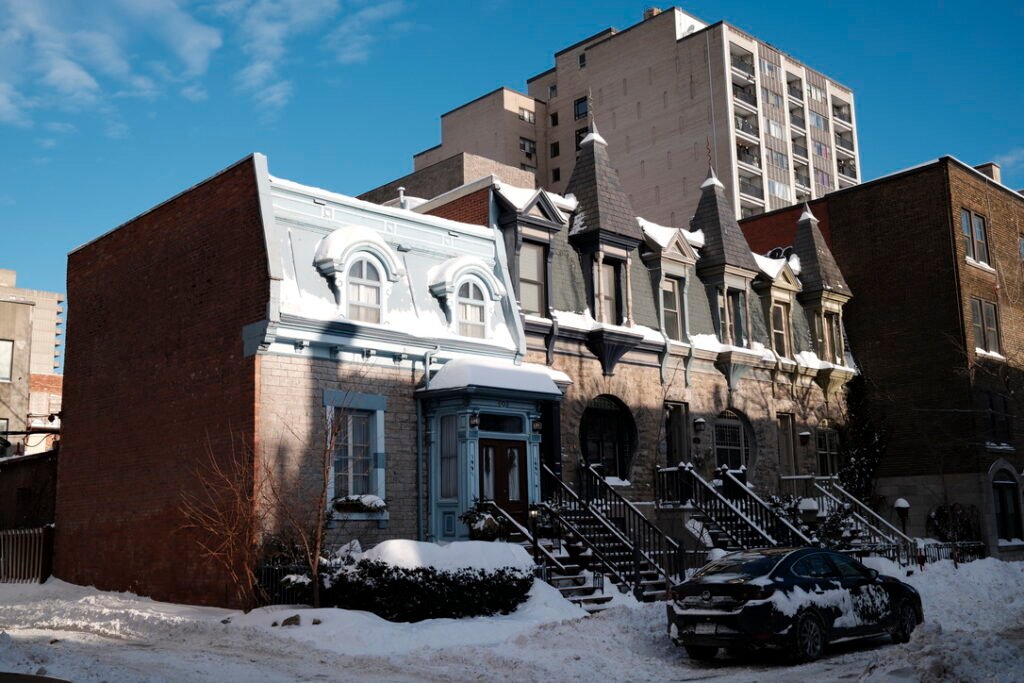
Ontario HST Rebate Up to $130,000: Single-Family Home Sales Triple, But Condos Still Aren’t Moving
Data Source: Altus Group, CHBA, CMHC | Analysis: HousingAI | Updated: May 28, 2026
📢 Policy impact shows sharp divergence: Single-family home sales tripled year-over-year, while condo sales plunged 88% below the 10-year average — even a $130,000 rebate couldn’t rescue the condo market.
I. Policy Overview: Up to $130,000 Rebate Targeting Inventory Clearance
In March 2026, the Ontario government and federal government jointly announced the HST rebate policy, effective April 1, 2026. Key provisions:
- Maximum rebate: $130,000 CAD (full 13% HST exemption on homes up to $1M, phased out above $1.5M)
- Effective period: April 1, 2026 – March 31, 2027
- Eligible buyers: All buyers (not limited to first-time homebuyers)
- Policy goals: Stimulate construction, clear GTA’s excess new condo inventory, create jobs
Federal legislation has not yet been fully passed. Whether the rebate will be applied at closing (direct deduction) or post-purchase (refund) remains unclear, directly affecting buyer and seller decisions. The purchase must be completed by March 31, 2027, with different occupancy requirements depending on buyer type.
II. Divergent Impact: Singles Triple, Condos Down 88%
In April 2026 — the first full month after implementation — the market response showed sharp K-shaped divergence.
| Metric | Single-Family | Condo | Insight |
|---|---|---|---|
| April sales (Toronto region) | 901 units | 199 units | Single-family outsold condos 4.5x |
| Year-over-year change | 3x+ | +39% | Condo YoY gain from extremely low base |
| vs 10-year average | +21% | -88% | Condo market effectively frozen |
| Average asking price | $1,422,000 (-7%) | $1,029,000 (flat) | Single-family price drop + rebate = better value |
Single-family homes were precisely activated: 901 sales in April — triple last year’s volume and 21% above the 10-year April average. The policy is clearly working for owner-occupier demand.
The condo market barely responded: Only 199 units sold — up 39% from an extremely low base, but still 88% below the 10-year average. Even a $130,000 rebate couldn’t save the condo market.
III. Why Condos Aren’t Moving: Four Structural Problems
Newly built condos are generally too small to attract end-users. Families can’t fit, singles find them overpriced, and investors are losing money — stuck in no man’s land.
Most condo investors who purchased in recent years are cash-flow negative — rent doesn’t cover mortgage + maintenance + property tax. The investment thesis has collapsed.
April new condo average asking price was $1,029,000 — unchanged from last year. Even after the $130,000 rebate, buyers still need ~$900,000, which remains out of reach for many.
Single-family average asking price was $1,422,000, down 7% YoY. After rebate, the value proposition is much stronger for families.
Condos aren’t selling not because they’re not cheap enough — but because they’re not “livable enough” for families. A rebate can lower the price, but it can’t lower density, reduce maintenance fees, or fix negative monthly cash flow.
IV. Inventory Pressure: 19,044 Unsold New Homes, 70% Condos
- Total unsold new homes in GTA: 19,044 units
- Of which condos: 13,331 units (70%)
- Inventory concentrated in high-rise condos — the result of oversupply + retreating foreign/investor demand
Montreal-based Jesta Group is bulk-buying Toronto condos, planning to rent them out and sell in 5 years if the market recovers. This is classic “bottom-fishing,” but the scale is limited ($500M, ~1,000 units) and won’t clear the 13,331-unit inventory anytime soon.
📎 Full analysis: Montreal company’s $500M condo bottom-fishing in Toronto
V. Outlook & Projections
- Single-family market continues to get a boost; owner-occupier demand activated
- Condo market remains depressed unless significant price cuts or rate drops occur
- 80% of condo sales are small units — family-friendly products are even harder to sell
- Persistent high condo inventory forces developers to cut prices further
- New project launches delayed; construction employment and supply chain under pressure
- Possible last-minute rush before policy window closes, but scale limited
VI. Investor & Buyer Takeaways
- Single-family / townhouses: Best value under current policy — focus here
- Condos: Proceed with caution even with rebate; wait for meaningful price correction
- Action window: Policy valid until March 2027 — target late 2026 entry
- Condos remain risky unless you can secure deeply discounted pricing with a 5-10 year hold horizon
- Jesta’s strategy isn’t for individuals — bulk buying + 5-year hold + rental transition requires scale
- Single-family rental math: Stronger demand, but higher capital requirements
- Shift product mix: Reduce small condo units, add family-sized product
- Cut prices to clear inventory: 13,331 unsold condos won’t move without meaningful discounts
- Offer more incentives: Maintenance fee waivers, extended closing dates
VII. Conclusion
🎯 HousingAI Core Judgment
The HST rebate policy has precisely activated one segment of the market (single-family owner-occupier demand), but it cannot solve the structural problems in the condo market — product mismatch, high prices, and broken investor economics.
This once again confirms the tiered nature of the Canadian (especially Toronto) real estate market: well-located, family-friendly low-density housing retains resilience, while high-rise condos that were overly dependent on investors remain in a prolonged digestion cycle.
For owner-occupiers, single-family homes/townhouses currently offer the best value. For investors, condos still require caution — even a $130,000 rebate can’t fix negative cash flow.
© 2026 HousingAI · Canada Real Estate Data Platform | Free Legal Consultation Provided by Falconbridge Law
⚠️ This report is for informational purposes only and does not constitute investment advice. Please consult licensed professionals for specific purchase decisions.