
Toronto Condo Correction Enters Deep Waters ——Price, Inventory & Development Logic Reset Simultaneously; Four-Year Adjustment Still Searching for a Bottom
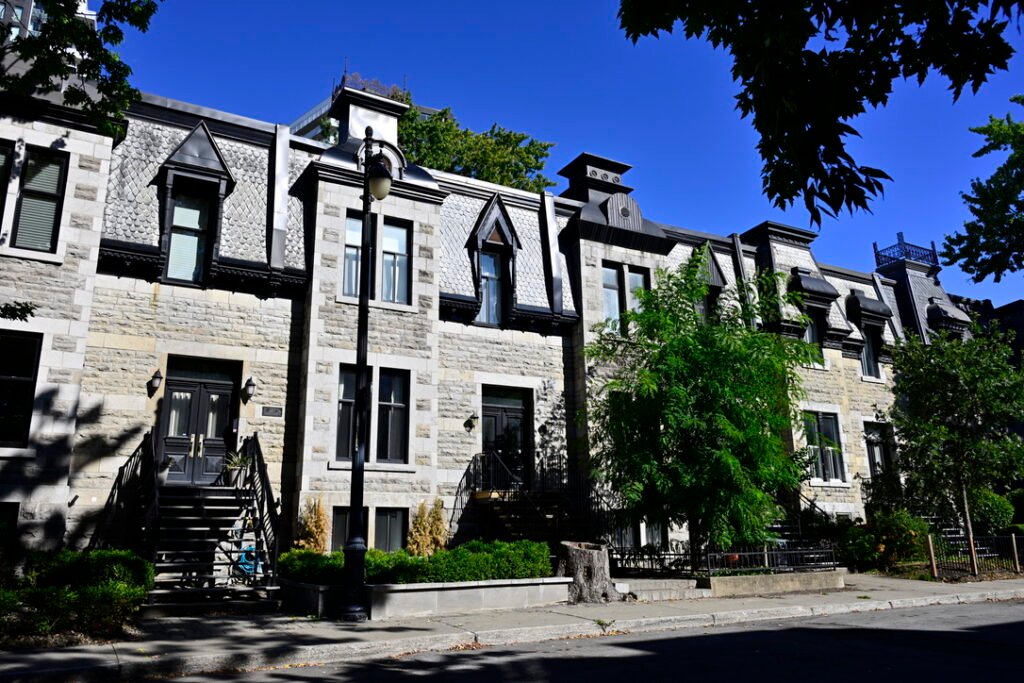
Toronto Condo Correction Enters Deep Waters
——Price, Inventory & Development Logic Reset Simultaneously; Four-Year Adjustment Still Searching for a Bottom
Data source: Financial Post 2026-06-19 | TD Economics | Urbanation | TRREB | Analysis: HousingAI
📢 Q1 2026 set multiple records for Toronto’s condo market: zero new project launches (first time in 30 years), new project sales plunging 52% YoY to a 35-year low, and completed-but-unsold inventory doubling YoY. TD Economics projects cumulative price declines of 25-30% from the 2022 peak to the projected bottom, making this one of the longest corrections on record.
📌 The Silence of an Offer Night
In early March 2026, Bosley Real Estate agent Davelle Morrison listed her client’s 650-square-foot condo in Toronto’s Corktown neighbourhood for $558,000. Two subsequent price reductions — ultimately bringing it to $399,000 — failed to attract a buyer.
She scheduled an offer night. “It was crickets.” The unit has been on the market for 105 days and counting.
This is not an isolated story. Four years ago, Toronto’s condo market reached its speculative peak — investor frenzy, soaring prices, and premium assignment sales. Today’s reality is starkly different: buyers are in no rush, sellers are under pressure, and developers have ground to a halt. The market has shifted from an “expectations game” to a “cash-flow game.”
I. Market Logic Reset: From “Expectations Game” to “Cash-Flow Game”
- Offer nights drew crowds, bidding wars common
- Investors scrambled for units; assignments flipped at premiums
- Developers launched projects aggressively; presales sold out
- Buyer decision windows were extremely short
- Offer nights draw silence; no bids
- Sellers cut prices multiple times; take losses to exit
- Developers launch zero projects; land sits idle
- Buyers have ample time for due diligence
Section conclusion: The underlying logic of Toronto’s condo market has fundamentally changed. The “prices always go up” expectation that once drove the market has been broken, replaced by a rigorous focus on cash flow, carrying costs, and actual rent-to-price ratios. This is not a short-term cycle — it’s a structural reset.
II. Where Have the Buyers Gone? From Bidding Wars to Silent Offer Nights
Section conclusion: Buyers haven’t disappeared entirely — but their sense of urgency has evaporated. With inventory piling up, days-on-market extending, and investors retreating, buyers now have the “luxury of time” to decide.
Agent Davelle Morrison listed a one-bedroom unit in Toronto’s upscale Yorkville neighbourhood in September 2025. It sat on the market for five months. After four price reductions, it finally sold for $637,500 — roughly $88,000 below asking.
“That’s the way the market is right now,” Morrison said.
📊 Data Points
- Q1 2026 active condo listings in the GTA: 6,668 units
- Median days-on-market for sold condos: 41 days, up from 36 a year ago
- Q1 2026 resale condo sales: -11% YoY, roughly 40% below the 10-year average
Agent perspective: “There’s a lack of showings. The buyers are not out there,” said Re/Max agent Tim Yew. “When I see supply dropping and demand increasing, that’s when it’s going to bottom out.”
III. Sellers Under Pressure: Taking Losses or Holding On
Section conclusion: Sellers face a painful choice — accept a substantial loss to exit, or absorb ongoing negative monthly cash flow and wait. Those who bought at the 2022 peak face the highest probability of loss.
🏢 Case: The Penthouse with Six Price Cuts
Agent Sewit Tamene’s client purchased a penthouse at the Merchandise Building in January 2024 for $1.125M. After eight months and six price reductions, it sold for $999,999 — a loss of about $125,000, excluding transaction costs.
“At the time, no one expected the market to be where it is today,” Tamene said.
What this case represents: Even buyers who entered the market after the peak — in 2023-2024 — have suffered significant losses. This underscores that the depth of this correction has exceeded most participants’ expectations.
📊 Teranet Data: Purchase Year Determines Fate
- Purchased in 2022: 36.6% sold below purchase price
- Purchased in 2023: 24.6% sold below purchase price
- Purchased in 2021: 21.9% sold below purchase price
- Purchased in 2020: Only 5% sold below purchase price
What this data represents: Timing of entry is the most critical variable determining profit or loss. Pre-pandemic buyers have sufficient equity cushions to withstand current volatility; 2022 peak buyers face the highest risk.
⚠️ Cash-Flow Crunch: One investor with a variable-rate mortgage saw monthly payments jump from $2,200 to over $3,000. “Those are the people who are bleeding out right now,” said Tim Yew. Many recent condo buyers are now cash-flow negative — forced to choose between selling at a loss or absorbing steep monthly costs.
IV. Assignment Sales: From “Flipping Contracts” to “Bleeding Out”
Section conclusion: Assignment sales — once a tool for investors to profit from rising prices — have become the segment with the largest losses. Oversupply has forced sellers to accept massive discounts to attract buyers.
📄 Case: A $300,000 Loss to Exit
Re/Max City Teams’ Jeff Carr represented a client who purchased a pre-construction unit for nearly $560,000 in April 2021. It sold on the assignment market in a few weeks — but for $300,000 less than the purchase price.
“A loss like that catches the buyer’s attention,” Carr said.
What this case represents: This is extreme but not rare. It shows the risk of pre-construction contracts — in a downturn, a contract signed at the peak can become almost worthless. Carr estimates that in recent months, virtually all assignment sellers have paid at least $100,000 to exit.
📉 Assignment Market Collapse
- Carr: “Assignment sales have gone off a cliff. A lot of them aren’t happening anymore because the price gap is just so wide.”
- Royal LePage advisor Thomas Delespierre: “It’s a bloodbath for sellers in the assignment market today.”
V. Developers Frozen: Zero Launches, Land Sitting Idle
Section conclusion: If the resale market is clearing, the development side is freezing. Zero new project launches in Q1 2026 — the first time in three decades — signals a coming “cliff” in future supply.
🏗️ Construction Stalls by the Numbers
- Q1 2026: Zero new condo project launches — first time in 30 years
- Completed-but-unsold condo inventory: 4,295 units, double YoY
- An additional 8,629 unsold new condos are under construction
💬 Developer Voices
Dream Unlimited CEO Michael Cooper: “We had hoped to be building other sites by selling condos, but that hasn’t happened. Every year we spend money carrying land, so it affects us for real.”
Devron Developments president Pouyan Safapour: “Sales are down approximately 90% from the 10-year norm. Almost no project can move forward right now.” Many GTA land parcels are in limbo, with debt-financed land costing up to hundreds of thousands per month to carry.
VI. Policy Stimulus Fails: Why the HST Rebate Couldn’t Save the Market
Section conclusion: Ontario’s new-home HST rebate (up to $130,000), effective April 2026, failed to turn the market. The fundamental problem: construction costs still exceed what buyers are willing to pay.
- New condo sales in April 2026: Just 199 units — 88% below historical norms
- Unsold inventory (April 2026): 13,331 units
- Altus Group and BILD joint report: The HST rebate barely improved new condo sales in its first month
Urbanation president Shaun Hildebrand: New condo prices need to match resale prices for the market to recover — which would mean falling below construction costs. “(Developers) are losing money by dropping prices that low.”
VII. Conclusion: Fear Is the Most Powerful Force
📌 HousingAI Independent Analysis
As agent Tim Yew put it: “The biggest thing is fear.”
Toronto’s condo market correction has entered its fourth year. The data suggests this is not a simple cyclical correction but a structural reset:
- Price reset: Cumulative decline of 25-30% from the 2022 peak to the projected bottom. Prices are substantially below peak levels, but the bottom has not yet been confirmed.
- Development logic reset: Zero new project launches means future supply will drop sharply — but existing inventory still needs to be absorbed in the near term.
- Investor mindset reset: Condos have shifted from “automatic appreciation assets” to “cash-flow-based investments” — rental yields, carrying costs, and vacancy risk are now the core variables.
Implications for market participants:
- Potential buyers: The market offers ample choice and time — but don’t expect to “time the absolute bottom.” The key is to calculate carrying costs and long-term rental returns, not gamble on price rebounds.
- Existing owners: Those who bought after 2021 face the toughest choice — accept a loss to exit, or prepare for a long hold. “Holding on” through negative monthly cash flow requires a substantial financial buffer.
- Investors: The repricing of condos as an asset class is ongoing. Rental returns, vacancy risks, and interest rate trends will be more important decision variables than price forecasts.
⚠️ Risk Warning: This analysis is based on Financial Post reporting and public data. It does not constitute investment advice. Markets carry significant downside risks. Please consult licensed professionals for individual decisions.
- Campbell, S. (2026, June 19). ‘Bloodbath for sellers’: Tales from the frontlines of Toronto’s condopocalypse. Financial Post. https://financialpost.com/
- TD Economics. (2026). GTA Housing Market Outlook.
- Urbanation Inc. (2026, June). Greater Toronto Area Condo Market Report Q1 2026.
- Toronto Regional Real Estate Board. (2026). Market Data Q1 2026.
- Teranet. (2026). Home Price Loss Rates by Purchase Year.
- Altus Group & BILD. (2026, May). GTA New Home Market Report.
© 2026 HousingAI · Canadian Housing Market Data Research Center
Data sources: Financial Post | TD Economics | Urbanation | TRREB | Teranet | Altus Group | BILD
This report is based on public data for analytical purposes only and does not constitute investment advice of any kind.