
Canada Housing Market Q1 2026 Analysis | Royal LePage Data + Regional Divergence + Forecast
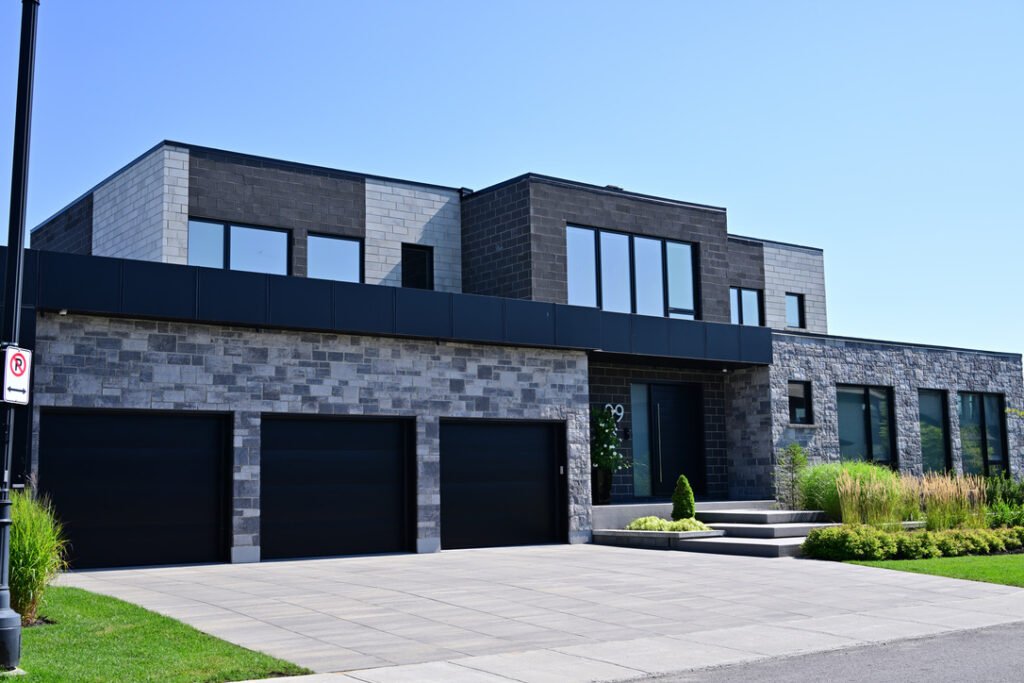
Based on Royal LePage House Price Survey & Market Forecast Q1 2026 | Data-Driven · Counter-Narrative | Report Date: April 20, 2026
📌 Executive Summary
In Q1 2026, Canada’s aggregate home price fell 2.0% year-over-year to $812,900, with a modest 0.7% sequential increase. The market displayed sharp regional divergence: Montreal (+3.3% YoY) and Quebec City (+10.7% YoY) showed strength, while Toronto (-4.7%) and Vancouver (-4.5%) continued to decline.
A prolonged winter, geopolitical uncertainty, and weak consumer confidence delayed the spring market’s launch. Royal LePage forecasts a modest 1.0% national price increase for 2026, with regional divergence expected to widen further.
Sources: Royal LePage National House Price Survey (65 major markets) | RPS Real Property Solutions | Bank of Canada
1. Introduction: A Frozen Spring Market
The spring of 2026 arrived later than usual—not just for the weather, but for the housing market as well.
Royal LePage’s Q1 2026 House Price Survey covered 65 major markets across Canada, painting a clear picture of a “fractured” market: price surges in Montreal and Quebec City on one side, and continued declines in Toronto and Vancouver on the other.
This report draws on all publicly available Royal LePage data, analyzing national and regional price trends, supply-demand dynamics, macroeconomic impacts, and providing a 2026 forecast framework.
2. National Market: Moderate Correction, Bottoming Signals
| Indicator | Q1 2026 | QoQ | YoY |
|---|---|---|---|
| National Aggregate Price | $812,900 | +0.7% | -2.0% |
| Single-Family Median | $857,300 | +1.0% | -1.3% |
| Condo Median | $577,600 | +0.4% | -3.4% |
The national aggregate price fell 2.0% year-over-year but rose 0.7% sequentially, suggesting the market is bottoming. Single-family homes outperformed condos (-1.3% vs -3.4% YoY), reflecting the continued post-pandemic preference for space.
Royal LePage President and CEO Phil Soper noted: “Consumer confidence is low, and first-time buyers are generally waiting on the sidelines. The ‘sell first’ behavior is returning—selling before buying, rather than buying first—reflecting market uncertainty.”
3. Regional Markets: A Tale of Three Cities — Montreal Up, Toronto Down, Vancouver Stalled
| Metro Area | Aggregate Price | YoY | Single-Family YoY | Condo YoY |
|---|---|---|---|---|
| Greater Montreal | $645,800 | +3.3% | +6.1% | +0.1% |
| Greater Toronto | $1,091,900 | -4.7% | -4.5% | -6.5% |
| Greater Vancouver | $1,174,500 | -4.5% | -5.7% | -4.8% |
Greater Montreal’s aggregate price rose 3.3% YoY to $645,800, with single-family homes surging 6.1%. Montreal Centre rose 7.6% YoY to $797,300, Laval +4.9%, South Shore +6.6%. Quebec City led nationally for the 8th consecutive quarter, with aggregate prices up 10.7% YoY to $475,300.
Greater Toronto’s aggregate price fell 4.7% YoY to $1,091,900, with condos down 6.5%. This aligns with the HousingAI “Underwater Homes” report: highly leveraged buyers are being forced out under the dual pressure of rate renewals and price declines.
Greater Vancouver’s aggregate price fell 4.5% YoY to $1,174,500, with a 0.4% sequential decline—the only major market to drop sequentially. Both buyers and sellers are waiting, and market liquidity is drying up.
4. Q4 2026 Forecast: Quebec Leads, Ontario & BC Continue to Struggle
| Region | Q4 2025 Actual | Q4 2026 Forecast | Forecast YoY |
|---|---|---|---|
| National | $807,200 | $815,272 | +1.0% |
| Greater Montreal | $640,700 | $672,735 | +5.0% |
| Quebec City | $453,600 | $508,032 | +12.0% |
| Greater Toronto | $1,084,300 | $1,035,507 | -4.5% |
| Greater Vancouver | $1,178,800 | $1,137,542 | -3.5% |
| Halifax | $511,700 | $532,168 | +4.0% |
5. Macroeconomic Factors: Rates, Unemployment, and Consumer Sentiment
The Bank of Canada has maintained its overnight rate at 2.25% since October 2025. Phil Soper warned: “If geopolitical or trade conflicts push energy prices higher, inflation could force the central bank to raise rates again.”
A BoC survey shows 29% of Canadians plan to move within 12 months, up from 22% last year. Meanwhile, 20% of homeowners plan to sell, up from 14% last year. The “sell first” behavior is returning, which should improve market liquidity.
6. Counter-Narrative: Don’t Be Fooled by the “National Average”
Narrative 1: “Canadian housing prices are crashing”
❌ False. National prices fell only 2.0% YoY and rose 0.7% sequentially. Toronto and Vancouver are indeed falling, but Montreal and Quebec City are rising.
Narrative 2: “The condo market is finished”
⚠️ Partially true. Toronto condos are down 6.5% YoY, but Montreal condos are up 0.1% YoY, and Quebec City condos are up 8.4% YoY.
Narrative 3: “First-time buyers should wait for the bottom”
⚠️ Risky. Toronto and Vancouver may have further downside, but Montreal and Quebec City prices are rising. Waiting could mean higher prices.
7. Conclusions & Recommendations
📌 Overall Assessment
Canada’s housing market has a solid foundation, but short-term caution is warranted. Regional divergence is the most significant feature of this quarter.
🎯 For Buyers
• Montreal & Quebec City: Enter early, prices are still rising
• Toronto & Vancouver: You can wait, but lock in a mortgage pre-approval early
• First-time buyers: Use the “sell first” trend to your advantage — negotiating room is expanding
🏠 For Sellers
• Toronto & Vancouver: Price realistically, don’t expect 2021 prices
• Montreal: The market is hot, but don’t get greedy
📚 Appendix: Complete Data & Sources
📊 Other City Data
Halifax: $525,400 (+1.5%) | St. John’s: $377,900 (+3.9%) | Fredericton: $377,200 (+2.9%)
Brampton: -4.8% | Ajax: -10.5% | Cambridge: -7.4%
📋 Data Sources
Royal LePage House Price Survey & Market Forecast Q1 2026 | Bank of Canada | Statistics Canada
🔗 Related HousingAI Reports
Ontario “Underwater Homes” Investigation Report 2026 | 2026 Canada Real Estate Forecast Downgrade | RBC: Canada Home Prices Decline for Four Consecutive Years
⚠️ Disclaimer
This report is based on independent analysis of public data and does not constitute investment advice.
Last Updated: April 20, 2026 | HousingAI
Internal Link: HousingAI Insight List